


The 21st Century requires your business to be present on every platform. And that too, easily. According to a Hootsuite survey, 92% of mobile users use social media and other apps, and only 8% of them spend time on web browsers. This highlights how important it is for your business to have a cross-platform app. This is where Flutter comes into the picture. It’s a framework that allows you to create apps for multiple platforms with a single codebase. So how is it different from its competitors and why are we calling it the future of app development?
Everything in this article.
What is Flutter and what are the popular apps made with it?
Flutter is an open-source UI software development kit developed by Google. It is used to create cross-platform apps (Android, iOS, Web and Desktop) from a single codebase. It was released in May 2017 to make multi-platform app development easy and cost-effective. A few popular apps created using Flutter are Alibaba, eBay, Dream11, Google Ads, BMW, etc.
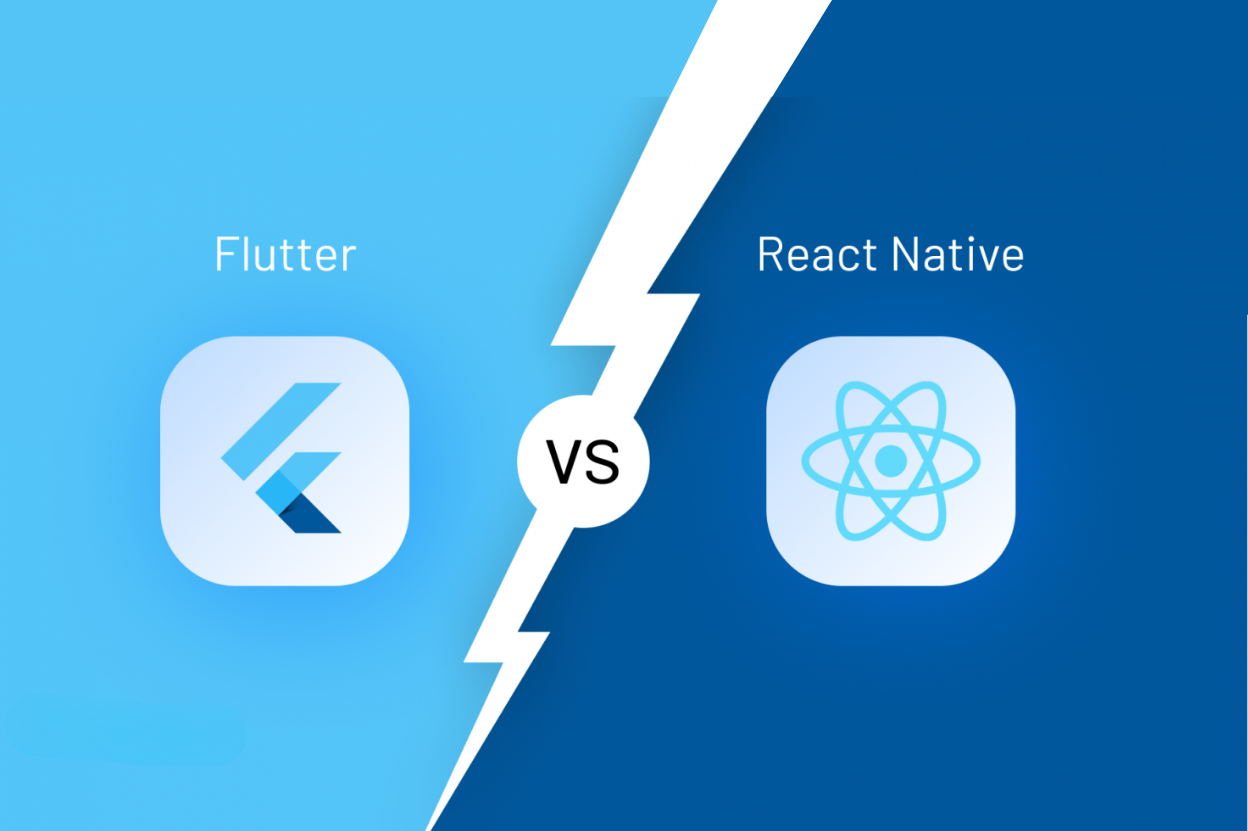
How is Flutter different from another very popular framework, React Native?
Flutter and React Native are highly different. React Native works on the programming language JavaScript whereas Flutter works on the language Dart, which is comparatively new. In React Native, you have to create the custom components yourself based on the user experience you want to provide. This increases your reliance on third party's dev kits. On the other hand, Flutter comes with pre-built components which you can embed in your design and save time.
What are the five top benefits of Flutter over other tools?
When it comes to the benefits of using Flutter, it’s a long list. However, here we will lay down the most significant one's for you-
- Cross-Platform App Development: The most fantastic thing about Flutter app development is that it allows you to create multi-platform apps with a single codebase. Due to this, your time and resources that would have otherwise gone into developing native apps for each platform are saved and you can move on to the next important thing on your plan.
- Fast testing: Flutter comes with a really useful feature called Hot Reload. With this, you can test the changes you’ve made in the code in real-time without restarting the app. This gives the opportunity to experiment more with the code and fix bugs quickly.
- A wide array of widgets: Flutter’s material design widgets make it super easy to develop apps for multiple platforms. These widgets are designed in adherence to the guidelines of Android as well as the Cupertino Style of Apple. So, by employing these, you can easily create a custom user interface for a particular platform with the least amount of effort.
- A growing community: In such a short time, the Flutter community has grown substantially. According to JetBrains 2021 State of Developer Ecosystem Survey, it is the most popular cross-platform framework in the world. You can join the Flutter community through this link- Flutter - Build apps for any screen. Weekly Flutter Hackathons are organized on the YouTube channel to deliver more relevant information to the developers.
Conclusion
The business of today is both offline and online. In the digital world, you need to be present across multiple platforms. Here, a framework such as Flutter can prove to be a blessing for you. It can create a cross-platform app for your business in less time and minimal effort. It is also a cost-effective solution as you won’t have to develop separate native apps for each platform. Compared to its competitors, its hot reload feature and material design widgets make it stand out. With all these benefits, Flutter is undoubtedly the future of app development.
Frequently Asked Questions
Flutter is used to build apps for Android, iOS, web and desktop from one shared codebase written in Dart. Businesses choose it to launch on several platforms at once without maintaining separate native apps, which saves development time and cost. It is especially popular for consumer mobile apps, internal business apps and MVPs where a consistent, custom-designed interface across devices is important.
Both are mature cross-platform frameworks, and the better choice depends on your team and project. Flutter uses Dart and draws its own UI with a rich set of built-in Material and Cupertino widgets, giving very consistent visuals across platforms. React Native uses JavaScript or TypeScript and renders native components, which suits teams with web and React experience. Performance is strong in both for most business apps.
Hot reload lets developers inject code changes into a running Flutter app and see the result within moments, usually without losing the app's current state or restarting it. This makes it fast to experiment with layouts, tweak designs and fix bugs, because you do not have to rebuild and navigate back to the screen you were working on after every change.
Yes. A single Flutter codebase compiles to native apps for Android and iOS, and can also target web and desktop. Most UI and business logic is shared, though you may still write some platform-specific code for things like certain device APIs, payments or notifications, and each app must still meet Google Play and Apple App Store requirements. The shared core is what makes Flutter cost-effective.